

Eating on the Camino: how to use this guide
The Via di Francesco isn’t just views and silence. It’s also a route that crosses areas with a very down-to-earth cuisine: legumes, truffles, cured meats, bread with good olive oil and the right ingredients. And yes, the Citerna stage really is a gateway into Umbria for those arriving from La Verna.
Below you’ll find 15 “signature” dishes, with three things for each:
- What it is
- Origins and context (short, no encyclopedia)
- Where to look for it along the Camino (stages and sensible detours)
15 Umbrian dishes every pilgrim should try
1) Strangozzi with truffle
What it is: long, rough pasta, often egg-free. Perfect for holding onto the sauce.
Origins: in Umbria, the name and tradition of strangozzi have popular and historical roots, also linked to the period of the Papal States.
Where to find it: between Città di Castello and Gubbio you’ll often find seasonal truffle versions, especially in osterias and trattorias that work with local products.
2) Truffle crostini (summer black truffle)
What it is: toasted bread with truffle, olive oil and garlic. Simple, always works.
Origins: a typical Umbrian recipe tied to truffle availability, often made with the summer black truffle.
Where to find it: great as a starter in the Upper Tiber Valley area and around Gubbio.
3) Torta al testo (or crescia)
What it is: flatbread cooked on a hot plate, then filled.
Origins: Umbrian street food at its best, born from home and countryside cooking. Today it’s a classic at festivals, bars, bakeries and trattorias.
Where to find it: basically everywhere between Gubbio, Assisi and Città di Castello.
4) Umbrian porchetta
What it is: spiced roast pork, often served in a sandwich.
Origins: in Umbria it’s a real supply chain, with porchetta makers at markets and local festivals.
Where to find it: markets and grocery shops all along the route.
5) Pasta alla norcina
What it is: pasta with sausage and a creamy base.
Origins: named after Norcia and its cured-meat tradition.
Where to find it: in many Umbrian trattorias, often in a classic “trattoria style” along the main stages.
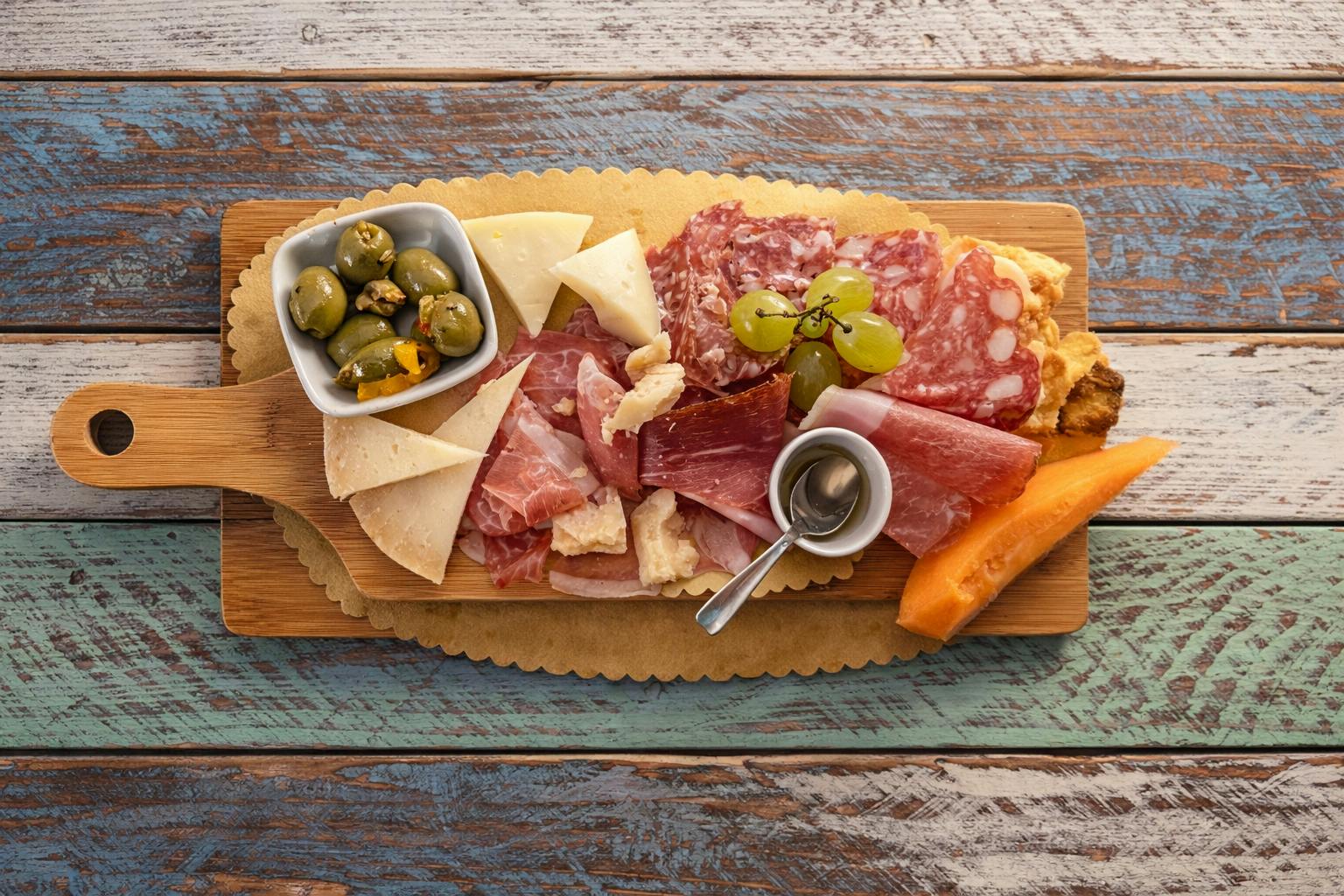
6) Cured meats
What it is: cured meats and traditional Umbrian hams.
Origins: cured meats are part of the region’s identity, and Prosciutto di Norcia PGI is one of its symbols.
Where to find it: boards and sandwiches in many osterias along the Camino. If you want to stock up, look for small shops and grocery stores in the historic centers.
7) Lentil soup
What it is: a rustic lentil soup, often finished with aromatics and raw olive oil.
Origins: the IGP lentils are grown on the Castelluccio plains.
Where to find it: easier in inland Umbria and on seasonal menus. Castelluccio is a significant detour from the Northern Route, so think of it as an “extra trip” if you extend your journey.
8) Wild boar stew or ragù
What it is: wild boar braised or cooked as a ragù, often with red wine and aromatics.
Origins: typical Apennine and game cuisine, very common in Umbria and hilly areas. Wikipedia
Where to find it: inland areas between Città di Castello, Pietralunga and Gubbio, where woodland traditions are stronger.
9) Panzanella
What it is: stale bread with vegetables, olive oil and vinegar.
Origins: a “poor” dish from central Italy, often associated with Tuscany but widespread beyond it.
Where to find it: handy on hot stages. You’ll find it as a side or starter in many trattorias on the Tuscan stretch and in the Upper Tiber Valley area.
Recommended stop in Citerna: refuel at La Cisterna
If you’re walking the Via di Francesco from La Verna towards Assisi, Citerna is one of the stages.
In the historic center you’ll find La Cisterna, just a short walk from the route: the right place to sit down, eat well-made Umbrian food and top up your energy before heading out towards the next stage.